The Deep Bossier Play: What Makes It Different and Why Operators Are Pushing Harder
The Deep Bossier sits below the Haynesville Shale and presents different technical and economic considerations. This article explains the geology, costs, and reasons some operators are reassessing the formation.
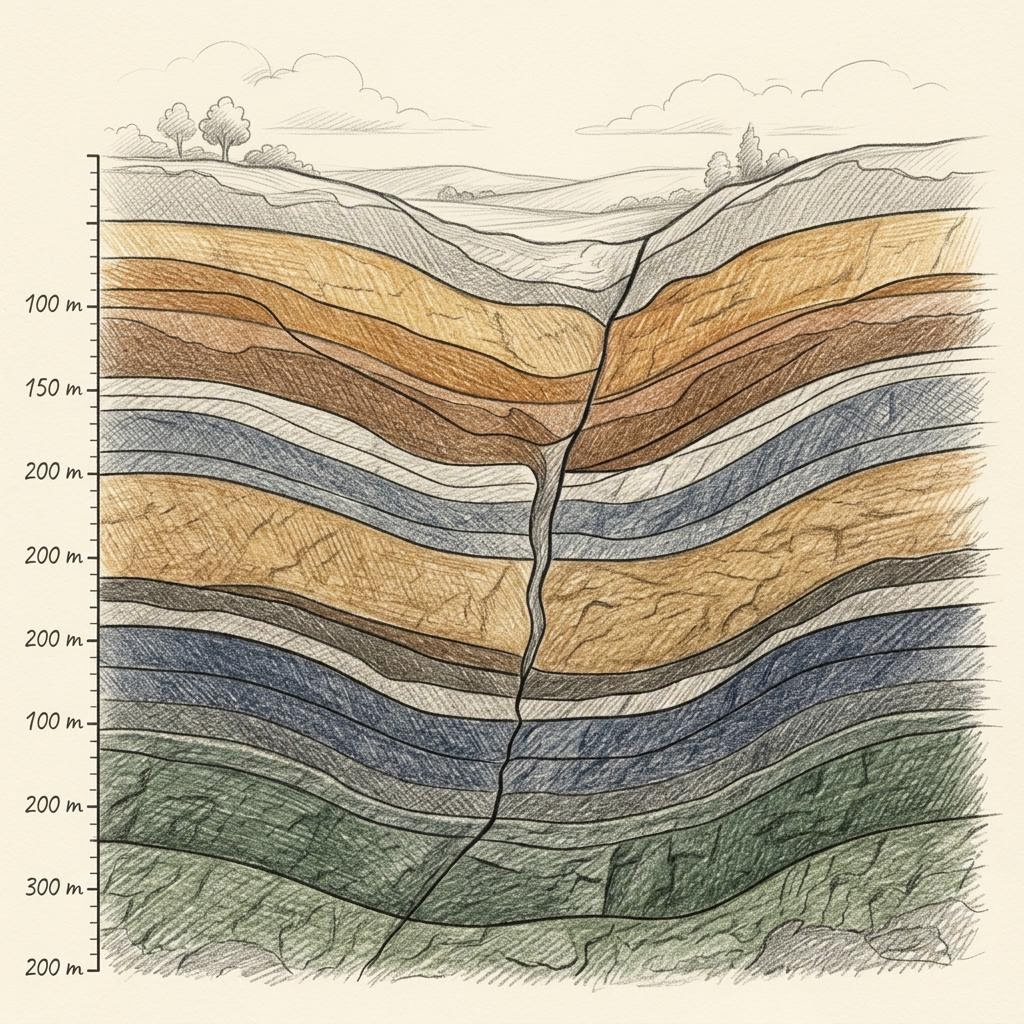
When people in the industry talk about the Haynesville Shale, they usually mean the main productive zone that brought attention to East Texas and North Louisiana around 2008. Thousands of wells have been drilled, production trends are well documented, and operators have years of experience with the geology.
But below the Haynesville, there's another zone that's been quietly generating a significant amount of interest: the Deep Bossier.
What Is the Deep Bossier?
The Bossier Shale is a tight sand and shale formation below the Haynesville. In the deepest parts of the East Texas Basin, particularly in Harrison, Panola, and Shelby counties in Texas and Caddo and DeSoto parishes in Louisiana, the Bossier contains natural gas in an overpressured, high-temperature environment.
These wells are drilled to true vertical depths approaching 14,000 to 17,000 feet in some locations. By comparison, the Haynesville proper typically targets depths of 10,500 to 13,000 feet. That extra depth matters for several reasons:
- Higher temperatures and pressures mean higher gas content per cubic foot of rock
- More brittle rock in some zones can respond favorably to hydraulic fracturing
- Thicker productive intervals in certain fairways give operators more net pay to stimulate
Why Is It Getting Attention Now?
A few factors have converged to make the Deep Bossier viable in a way it wasn't just a few years ago.
1. Improved Well Economics at Higher Gas Prices
The Deep Bossier requires longer drill times, more casing strings, and higher-specification completion equipment than a standard Haynesville well. That cost premium, which can run $3–5 million per well over a typical Haynesville completion, was hard to justify when gas was at $2.50/MCF.
With natural gas prices firming above $3.50–4.00/MCF strip and LNG export demand providing a structural price floor, the well economics on Deep Bossier targets are starting to work for a wider set of operators.
2. LNG Export Demand Is a Game-Changer
The proximity of East Texas gas to Gulf Coast LNG export terminals, including Golden Pass, Sabine Pass, and Plaquemines, gives Haynesville and Deep Bossier production access to international markets where gas commands $10–15/MCF equivalent pricing in some seasons.
Operators with long-term LNG offtake contracts have a cost-of-supply incentive to develop the deepest, most prolific gas reserves they can find. Deep Bossier fits that profile.
3. Technology Maturation
Directional drilling capabilities, high-strength proppant delivery at depth, and improved formation evaluation tools have all advanced to the point where operators can target and complete Deep Bossier wells with considerably more precision than five years ago. The learning curve is still steep, but it's flattening.
Who's Active in the Play?
Several major operators have been quietly pushing into the Deep Bossier alongside their Haynesville programs:
Southwestern Energy (SWN), which holds significant Haynesville acreage following its Indigo Natural Resources and GEP Haynesville acquisitions, has drilled some of the more prominent Deep Bossier tests in the area.
Aethon Energy, a Dallas-based private operator with a substantial East Texas position, has been one of the more aggressive developers in the deeper Bossier fairway.
BPX Energy (BP's U.S. onshore arm) has long-term positions in the Haynesville that overlap portions of the Deep Bossier productive window.
The private equity-backed operators and smaller independents are also paying attention, particularly around acreage that may have been considered marginal for the Haynesville proper but sits in the right depth window for Bossier targets.
What Does This Mean for Landowners?
If you own mineral rights or surface acreage in the East Texas counties over the Haynesville fairway, including Harrison, Panola, Rusk, Shelby, Nacogdoches, or Sabine, you may already be getting lease inquiries. Some operators are now targeting deeper rights.
A few things to watch for:
Depth severance in lease negotiations. Some operators will try to lease all depths at once. In areas where the Deep Bossier is a legitimate target, there may be value in negotiating separate depth provisions or ensuring your royalty rates reflect the additional depths being leased.
Pugh clauses and depth limitations. Standard Pugh clause language may or may not adequately protect your rights if a lessee holds the formation by production in the Haynesville while leaving the deeper Bossier untested. Understanding how your lease addresses formation-specific rights matters.
Bonus rates and royalties. With operators willing to invest $12–18 million per Deep Bossier well, there's capital behind these programs. That's relevant to what you should expect in a lease negotiation.
I've been working East Texas leasing for years and have seen how quickly this market can move when capital is engaged. If you're receiving offers or want to understand what your acreage might be worth in this environment, contact me here and I'm happy to talk through it.
For more on how East Texas gas markets are evolving, see my post on why things feel different this time.
Ryan Wilson
Landman & Advisory Consultant
Ryan brings hands-on landman experience and deep East Texas roots to projects nationwide. Through RyanWilson.Land, he shares practical, plain-English insights on mineral ownership, lease terms, title research, royalty questions, and land considerations for lithium and renewable energy projects.
Landman services, wherever the work takes you.
Ryan and the team support land and title projects nationwide. Get in touch to discuss your specific needs.