New Mexico's Changing Regulatory Environment: Impact on Oil and Gas Operations
Recent regulatory changes in New Mexico and their implications for operators and mineral owners in the Delaware Basin.
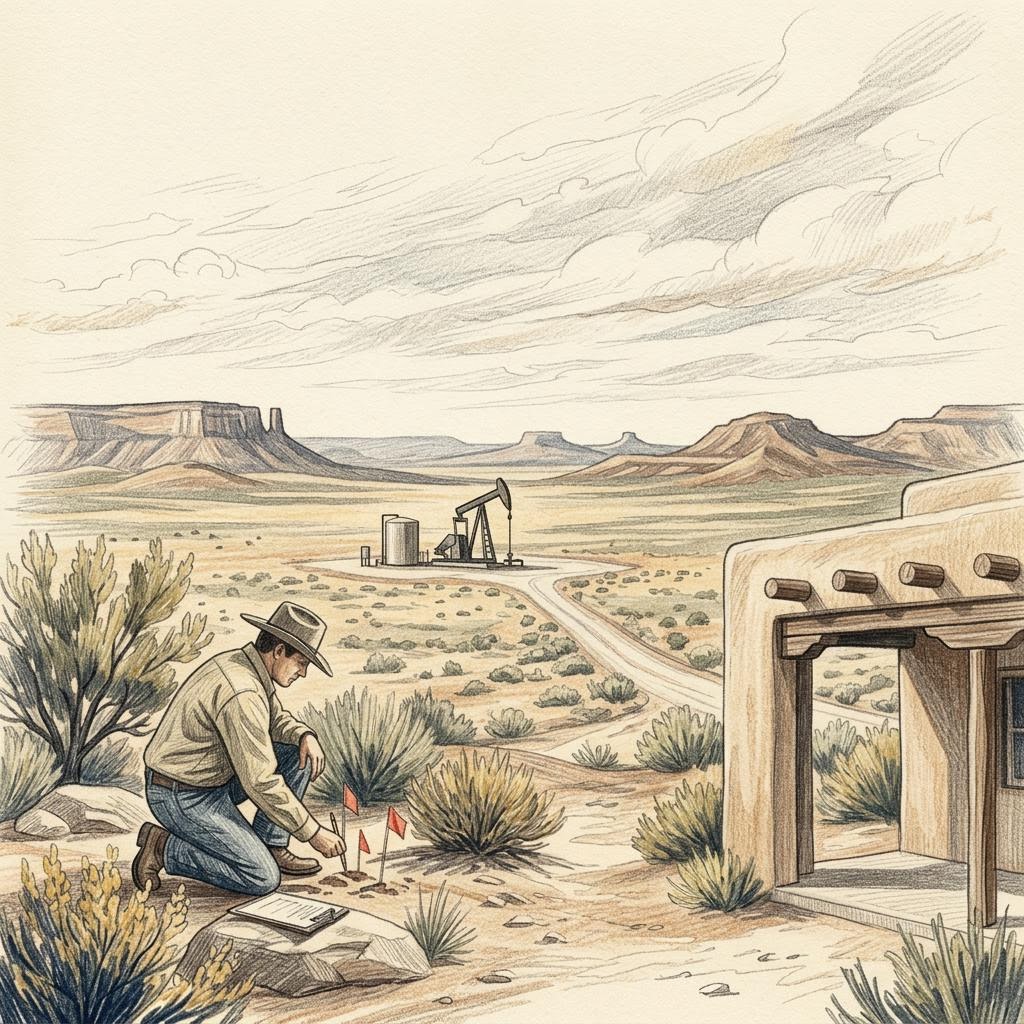
New Mexico's evolving regulatory framework presents both challenges and opportunities for oil and gas operations. Recent changes in permitting, environmental requirements, and taxation require careful analysis for operators working in the Delaware Basin and other producing areas across the state.
Recent Regulatory Changes Overview
New Mexico has implemented substantial regulatory reforms affecting every aspect of oil and gas operations, from permitting and environmental compliance to taxation and community engagement. These changes reflect the state's commitment to balancing energy development with environmental protection and community benefits.
Key Legislative and Regulatory Updates
2019 Climate Change Act: Establishing greenhouse gas reduction targets
2021 Energy Transition Act: Supporting renewable energy development
Oil Conservation Division (OCD) Rule Changes: Enhanced environmental and operational requirements
Taxation Reform: Modified production tax and local revenue distribution
Environmental and Climate Regulations
Methane Emission Controls
Leak Detection and Repair (LDAR): Mandatory programs for emission detection and repair
Equipment Standards: Requirements for low-emission equipment and technologies
Reporting Requirements: Detailed emission reporting to state agencies
Penalty Structure: Significant penalties for violations and non-compliance
Implementation Timeline:
- 2022: Initial LDAR requirements for large operators
- 2023: Expanded requirements for smaller operators
- 2024: Full implementation across all operations
- Ongoing: Regular updates and enhanced enforcement
Air Quality Management
Ozone Non-Attainment Areas: Special requirements for San Juan and Eddy Counties
Permit Requirements: Enhanced air quality permitting for new and modified sources
Monitoring Systems: Required air quality monitoring near sensitive areas
Community Notifications: Public notification requirements for air quality events
Water Resource Protection
Produced Water Management: Enhanced requirements for water handling and disposal
Groundwater Protection: Strengthened protection for drinking water aquifers
Surface Water Quality: Requirements protecting streams and water bodies
Waste Minimization: Preference for recycling and beneficial use of produced water
Permitting and Operational Changes
Application and Review Process
Enhanced Documentation: More detailed environmental and technical submissions required
Public Comment Periods: Extended opportunities for public input on permit applications
Tribal Consultation: Mandatory consultation with affected tribal governments
Environmental Justice: Consideration of impacts on disadvantaged communities
Operational Requirements
Setback Distances: Increased setbacks from homes, schools, and sensitive areas
Noise Control: Enhanced noise limits and monitoring requirements
Traffic Management: Requirements for traffic impact mitigation
Cultural Resources: Enhanced protection for archaeological and cultural sites
Case Study: Permian Basin Operator Adaptation
A major operator with 500+ wells in Eddy County successfully adapted to new requirements:
Compliance Strategy:
- Invested $15 million in emission control technologies
- Implemented comprehensive LDAR program across all operations
- Established community engagement coordinator position
- Developed enhanced environmental monitoring protocols
Results:
- 95% reduction in reportable emissions within 18 months
- Improved community relationships and stakeholder engagement
- Streamlined permitting process through proactive compliance
- Enhanced operational efficiency through technology upgrades
Taxation and Revenue Changes
Production Tax Modifications
Rate Structure: Modified rates based on production levels and commodity prices
Local Revenue Distribution: Enhanced revenue sharing with affected communities
Environmental Compliance Credits: Tax benefits for exceeding environmental standards
Economic Development Incentives: Credits for local hiring and equipment purchases
Property Tax Impact
Valuation Methods: Updated methods for assessing oil and gas property values
Assessment Timing: Changes in assessment cycles affecting tax planning
Appeal Processes: Modified procedures for challenging property tax assessments
Local Government Revenue: Impact on county and municipal budgets
Revenue Distribution
Community Benefit Programs: Funding for local infrastructure and services
Environmental Remediation: Dedicated funding for environmental cleanup projects
Education Funding: Enhanced support for local school districts
Economic Diversification: Programs supporting non-oil/gas economic development
Enforcement and Compliance
Enhanced Enforcement
Increased Penalties: Substantially higher fines for regulatory violations
Criminal Referrals: Serious violations referred for criminal prosecution
Shutdown Authority: Expanded authority to shut down non-compliant operations
Corporate Accountability: Enhanced liability for corporate officers and directors
Compliance Assistance
Technical Assistance Programs: State support for compliance with new requirements
Training and Education: Regular workshops and training sessions for operators
Compliance Tools: Online resources and guidance documents
Consultation Services: Pre-application consultation to avoid permitting delays
Monitoring and Reporting
Real-Time Monitoring: Requirements for continuous environmental monitoring
Public Reporting: Enhanced public access to compliance and enforcement information
Data Management: Centralized systems for tracking compliance across operations
Trend Analysis: Regular analysis of compliance trends and enforcement effectiveness
Impact on Different Operation Types
Large Operators
Compliance Costs: Significant investment in environmental technologies and monitoring
Operational Efficiency: Technology upgrades often improving overall efficiency
Community Relations: Enhanced community engagement requirements
Competitive Advantage: Early compliance providing operational advantages
Small and Independent Operators
Cost Challenges: Proportionally higher compliance costs for smaller operations
Technical Assistance: Greater reliance on state technical assistance programs
Collaborative Approaches: Shared compliance services and equipment
Consolidation Pressure: Economic pressure favoring larger, more efficient operations
Service Companies
Technology Demand: Increased demand for environmental compliance technologies
Consulting Services: Growing market for regulatory compliance consulting
Equipment Innovation: Development of cost-effective compliance equipment
Training Services: Expanded training and certification programs
Regional Variations
Delaware Basin (Eddy and Lea Counties)
High Activity Levels: Intensive development requiring enhanced oversight
Water Issues: Particular focus on produced water management
Community Impact: Significant local economic and social impacts
Infrastructure Strain: Pressure on local roads and public services
San Juan Basin
Mature Field Operations: Focus on existing field management and remediation
Tribal Coordination: Extensive tribal lands requiring government-to-government consultation
Air Quality: Ozone non-attainment requiring special air quality measures
Economic Transition: Supporting economic diversification away from oil and gas
Permian Basin (Portion in New Mexico)
Interstate Coordination: Coordination with Texas regulatory framework
Cross-Border Issues: Shared infrastructure and environmental concerns
Federal Lands: Coordination with federal agencies for BLM mineral development
Regional Planning: Participation in multi-state planning initiatives
Economic and Market Implications
Cost Impact Analysis
Compliance Costs: Average 5-15% increase in operational costs
Technology Investment: Required investments often improving long-term efficiency
Competitive Position: Well-managed compliance providing competitive advantages
Market Access: Environmental compliance enhancing market access and corporate partnerships
Investment and Development Trends
Capital Allocation: Increased investment in environmental technologies
Project Economics: Impact on development economics and investment decisions
Technology Innovation: Driving innovation in emission control and monitoring technologies
Market Differentiation: Environmental performance becoming competitive factor
Strategic Recommendations for Operators
Proactive Compliance
Early Adoption: Implementing requirements ahead of mandatory deadlines
Technology Investment: Investing in proven emission control and monitoring technologies
Staff Training: Comprehensive training programs for operational and management staff
Expert Consultation: Engaging environmental and regulatory specialists
Community Engagement
Stakeholder Outreach: Proactive engagement with local communities and stakeholders
Transparency: Open communication about operations and environmental performance
Local Investment: Supporting local economic development and community programs
Conflict Resolution: Establishing effective mechanisms for addressing community concerns
Operational Excellence
Best Practices: Implementing industry best practices across all operations
Continuous Improvement: Regular review and enhancement of environmental performance
Performance Monitoring: Comprehensive monitoring and reporting systems
Innovation: Investing in new technologies and operational approaches
Future Outlook
Regulatory Trends
Continued Evolution: Ongoing refinement and enhancement of regulatory framework
Federal Coordination: Increased coordination with federal environmental regulations
Technology Standards: Evolving standards reflecting advancing technologies
International Alignment: Alignment with international environmental commitments
Industry Adaptation
Technology Integration: Widespread adoption of emission control and monitoring technologies
Operational Efficiency: Enhanced efficiency through regulatory compliance requirements
Market Evolution: Environmental performance becoming key market differentiator
Investment Patterns: Capital allocation increasingly focused on compliance and efficiency
Conclusion
New Mexico's evolving regulatory environment requires operators to balance compliance costs with operational efficiency while maintaining positive community relationships. Success depends on proactive compliance, strategic technology investment, and effective stakeholder engagement.
The regulatory changes present both challenges and opportunities, with well-managed compliance often providing competitive advantages and enhanced operational efficiency. Operators who embrace the new framework while maintaining operational excellence are best positioned for long-term success.
Understanding and adapting to New Mexico's regulatory evolution is essential for continued operations and future investment in one of America's most productive oil and gas regions.
Need assistance navigating New Mexico's regulatory requirements or developing compliance strategies? Contact me to discuss approaches for successful operations in New Mexico's evolving regulatory environment.
Ryan Wilson
Landman & Advisory Consultant
Ryan brings hands-on landman experience and deep East Texas roots to projects nationwide. Through RyanWilson.Land, he shares practical, plain-English insights on mineral ownership, lease terms, title research, royalty questions, and land considerations for lithium and renewable energy projects.
Landman services, wherever the work takes you.
Ryan and the team support land and title projects nationwide. Get in touch to discuss your specific needs.