Lithium From Brine in East Texas: What Landowners Should Know
A guide to East Texas lithium brine development, the land and water rights involved, and questions landowners may want to ask.
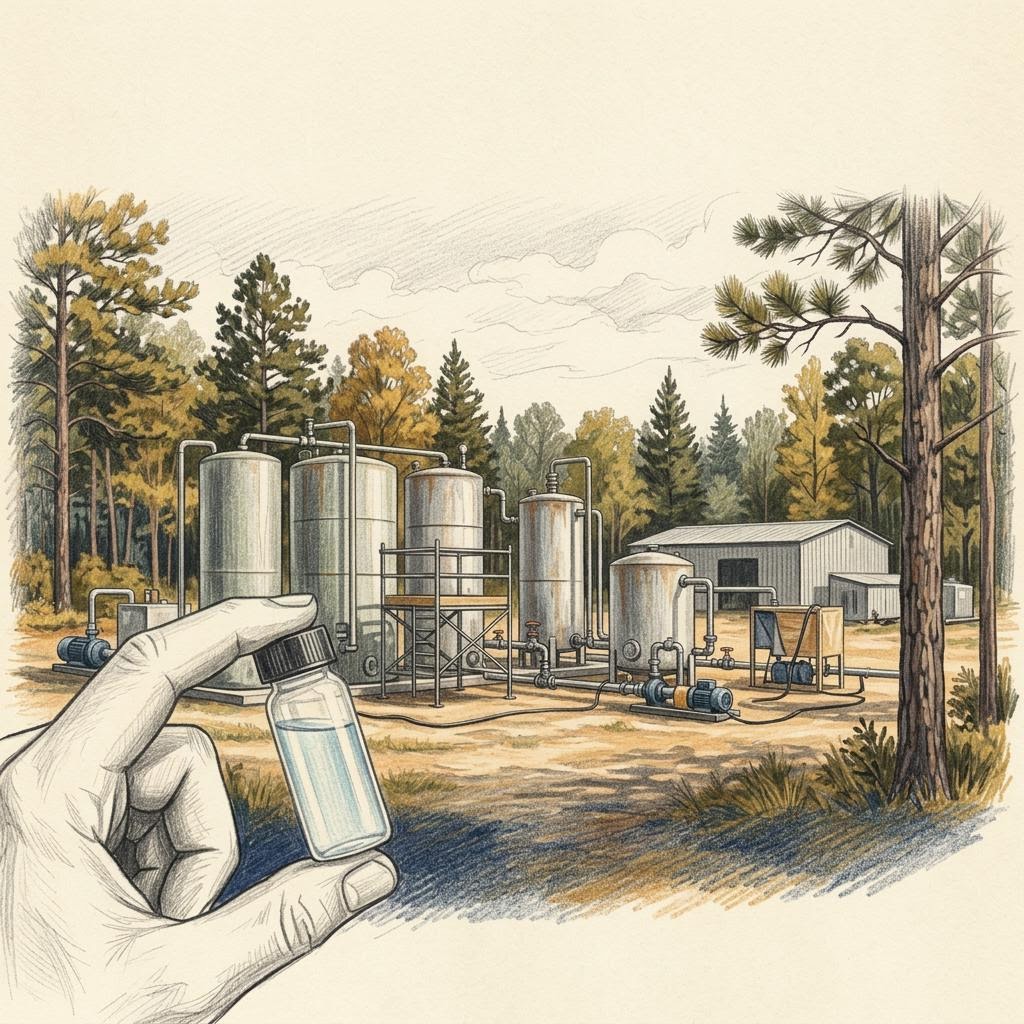
Lithium-rich brines in East Texas are drawing interest from developers. Geological surveys across Smith, Gregg, and surrounding counties indicate potential for lithium extraction from produced water and dedicated brine wells. Commercial viability depends on the resource, extraction method, infrastructure, and project costs.
ExxonMobil's announcement of their lithium extraction facility in Arkansas has highlighted the broader potential across the region. ConocoPhillips and other major operators are actively evaluating similar opportunities in East Texas formations. My analysis indicates that several formations in the region contain lithium concentrations that could support commercial extraction, particularly in areas with existing oil and gas infrastructure.
The technological breakthrough pioneered by Standard Lithium in Canada has revolutionized the economics of lithium brine extraction. Their proprietary reverse osmosis process represents a significant advancement over traditional evaporation methods, allowing for much more efficient lithium recovery while dramatically reducing the environmental footprint. Unlike conventional solar evaporation ponds that can take 12-18 months and require thousands of acres, Standard Lithium's process can extract lithium in a matter of hours using compact processing facilities.
For landowners, lithium brine development presents both opportunities and challenges. Unlike traditional oil and gas development, lithium extraction often requires long-term water rights and surface access for processing facilities. Understanding how existing mineral leases interact with these new requirements is crucial for maximizing value, particularly given the complex infrastructure requirements for saltwater movement and processing.
Infrastructure Considerations
The infrastructure requirements for lithium brine operations are fundamentally different from traditional oil and gas development. Successful projects require comprehensive systems for saltwater movement to centralized processing plants, followed by reinjection of processed brine into disposal wells. This creates a circular system that must be carefully designed to comply with Railroad Commission of Texas regulations for both water production and disposal.
Processing plant locations become critical strategic decisions, as they must balance proximity to brine sources with access to transportation infrastructure for lithium concentrate shipment. The reverse osmosis technology pioneered by companies like Standard Lithium allows for more flexible plant design, but still requires significant electrical infrastructure and waste management capabilities.
The regulatory environment for lithium extraction is still evolving. The Railroad Commission of Texas has begun developing specific regulations for lithium brine operations, building on existing frameworks for produced water management while addressing the unique aspects of lithium extraction and processing.
My team has been actively involved in lithium lease negotiations across the region, helping landowners understand the unique terms and considerations involved in these projects. The key differences include water usage rights, environmental considerations, and the longer-term nature of lithium extraction compared to traditional oil and gas development. As detailed in my analysis of East Texas gas development trends, the region's established infrastructure provides significant advantages for new energy technologies.
For mineral owners considering lithium opportunities, understanding the intersection with existing oil and gas operations is crucial. Many estate planning documents may need updating to address these new revenue streams, and suspense recovery procedures may need modification for lithium-related payments.
Early market indicators suggest that lithium lease bonuses and royalty rates may follow different patterns than oil and gas, with greater emphasis on long-term production potential rather than immediate cash flow. Understanding these market dynamics is crucial for making informed decisions about lithium development opportunities.
Ryan Wilson
Landman & Advisory Consultant
Ryan brings hands-on landman experience and deep East Texas roots to projects nationwide. Through RyanWilson.Land, he shares practical, plain-English insights on mineral ownership, lease terms, title research, royalty questions, and land considerations for lithium and renewable energy projects.
Related Articles
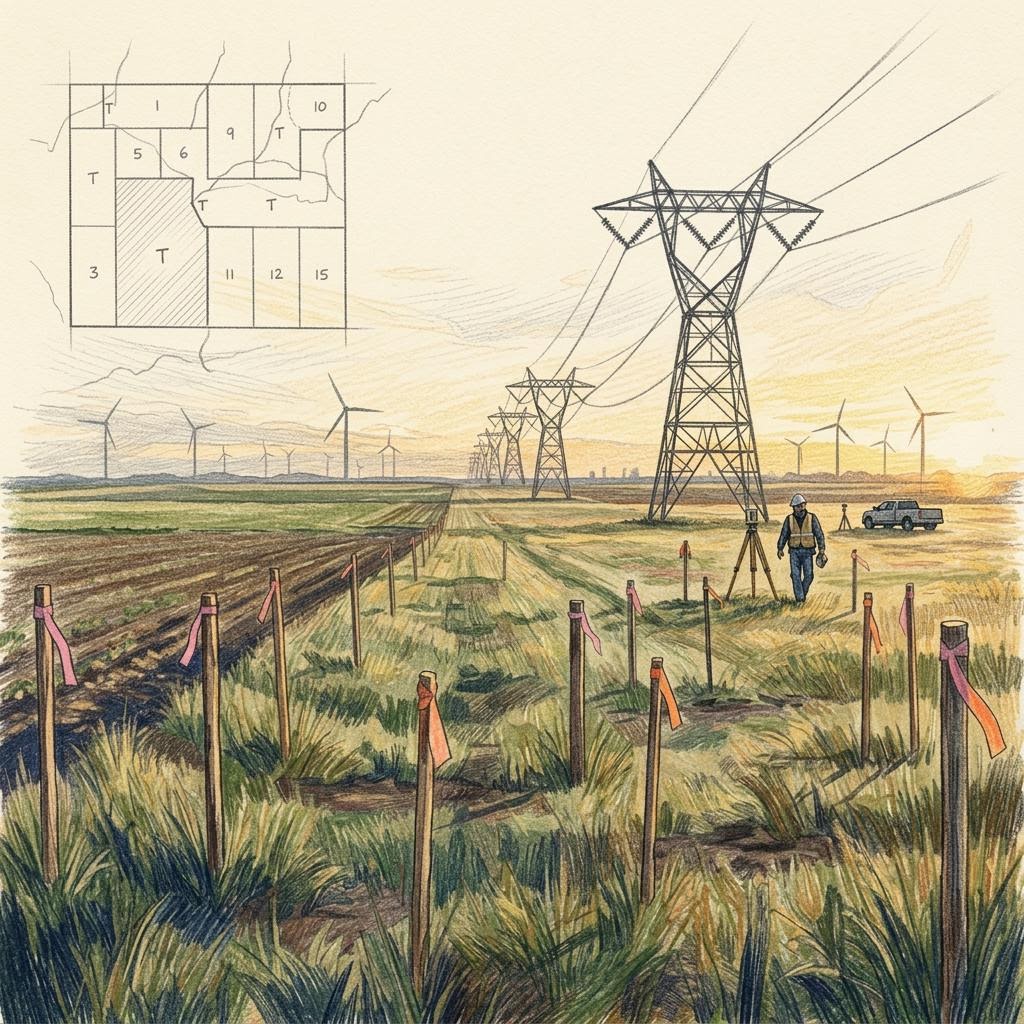
Solar Lease Offers: Option Periods, Payments and Landowner Questions
Evaluate a solar lease proposal by reviewing option timing, payment acreage, existing land uses, mineral rights, waivers, and restoration obligations.
Read More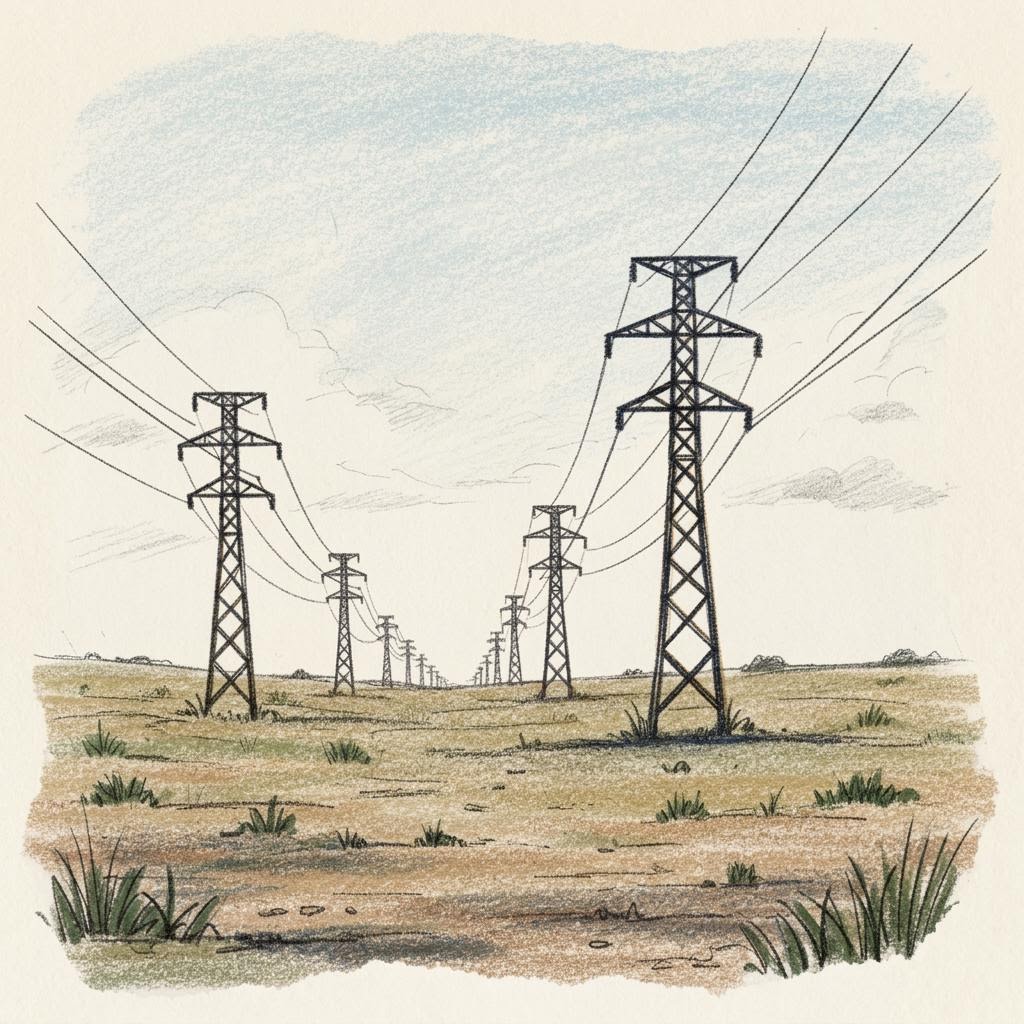
An Old Pipeline Crosses My Property. Who Owns It Now?
Research an old pipeline through surveys, recorded easements, assignments, successor records, and operator information without treating a map as construction clearance.
Read MoreROW Acquisition for Renewable Energy Projects: A Landman's Perspective
Key considerations and best practices for right-of-way acquisition in solar, wind, and transmission line projects.
Read MoreLandman services, wherever the work takes you.
Ryan and the team support land and title projects nationwide. Get in touch to discuss your specific needs.